


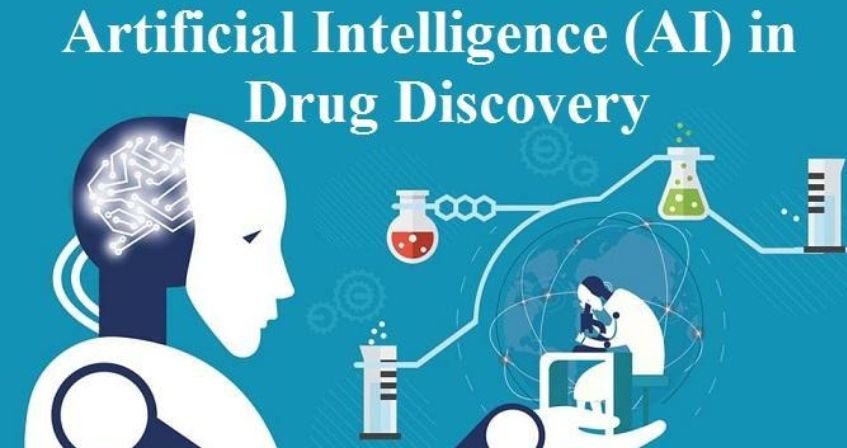
From Molecule to Market: How Generative AI is Redefining Early-Stage Drug Discovery
AI is one of the most powerful tools in the battle against diseases, with the pharmaceutical industry entering a new era of its transformative use in the discovery, design, and optimization of molecules. By the use of AI, the pharmaceutical companies are not only able to reduce their reliance on the conventional methods of making new drugs and thus attain faster innovations in the area of drug discovery. This digital transformation empowers scientists to manage the whole R&D process with better, quicker and more knowledge-based choices.
How is generative AI transforming molecule design and lead optimization?
Generative AI uses deep learning algorithms to find new molecular structures with certain biological properties. It can simulate and screen thousands of potential compounds in silico, predicting their binding affinity, stability, and toxicity. This feature enables researchers to select the most promising candidates much earlier, thereby saving both time and money in laboratory tests. Consequently, molecular design has turned out to be more accurate, data-driven, and efficient.
Benefits that companies realize in early-stage R&D
The pharmaceutical field is using generative AI, leading to speedier lead detection and a higher success rate, all at lower R&D costs. The technology allows for predicting early the behavior of drugs, reducing the number of failed experiments and supporting the research teams in directing the resources towards the promising candidates. Apart from the efficiency aspect, AI also widens the area of discovery, giving researchers the possibility to deal with the complex molecular spaces that were previously unreachable.
Challenges of integrating AI models into research workflows
The fusion of AI and classic R&D workflows means having to deal with issues like differences in data, insufficient computing power, and a lack of synchronization between the data and R&D teams. Also, transparency of algorithms is among the issues that many companies have to face—knowing the reason for the suggestion of a particular molecule by an AI system is still very important for getting trust from regulators and scientific acceptance.
How can pharma ensure data quality and IP protection in AI-driven discovery?
The outcomes of AI that can be relied on are a direct consequence of solid data management. Organizations should take care of clean and precise datasets and put in place strict governance for the protection of intellectual property (IP). Secure data handling, encryption, and well-defined model ownership protocols are the things that secure the discoveries and ensure adherence to the ever-changing digital research standards.
Benefits :
- Accelerates drug discovery timelines
- Reduces R&D costs
- Enhances prediction accuracy
- Promotes innovation and competitive advantage
Conclusion
Generative AI is reshaping the core of drug discovery by integrating data-driven intelligence with scientific imagination. The pharmaceutical industry is adopting AI-driven research, and hence the transition from molecule to market is becoming quicker, more intelligent, and eco-friendlier—this is the beginning of a new R&D innovation period.

