


How to Lean Out Your Quality Documentation without Breaking Regulations
The industries which require regulation need documentation to function properly. The U.S. Food and Drug Administration together with modern regulators, now require companies to maintain essential records instead of producing unnecessary documentation. The documentation process requires improvement through documentation which will become more intelligent and streamlined with risk assessment according to Good Documentation Practices (GDocP). Moving Toward Lean Quality Thinking Lean […]

Global QMSR Shift: What Quality Managers Need to Know
The pharmaceutical and medical device industries are entering one of the most significant transformations in decades. The trend toward Global QMSR harmonization is changing how organizations create, execute, and sustain their quality control systems in international settings. This movement is championed by the US and other regulators. Food and Drug Administration and aligned with international expectations, this […]
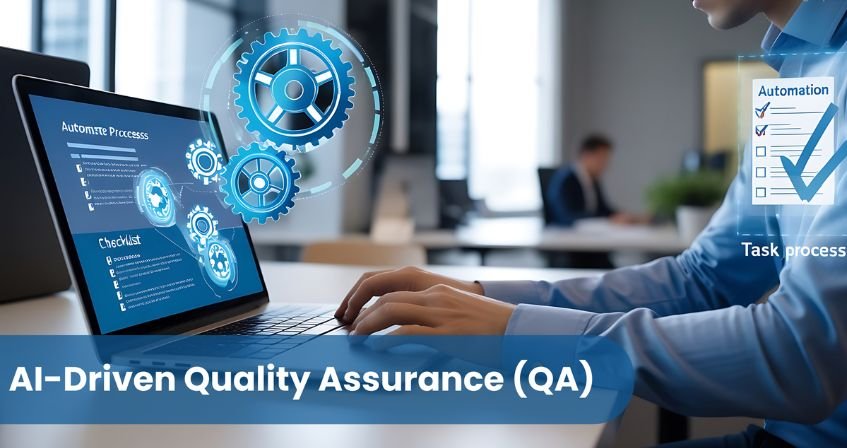
AI-Powered Quality Assurance: The End of Human Error or Just Expensive Hype?
In 2026, the impact of the GenAI on the pharma industry will be notable in terms of how organizations handle quality assurance. From document review to deviation analysis, AI tools are being positioned as the next big leap in compliance efficiency. However, regulators like the U.S. cc The Food and Drug Administration establishes requirements which demand that […]

Real Pharma Disasters That Could Have Been Prevented by Better PQS
In the pharmaceutical industry, pharmaceutical quality failures are rarely the result of a single mistake. More often, they are the outcome of weak systems, broken feedback loops, and ineffective oversight. Modern regulators like the U.S. Food and Drug Administration now emphasize strong Pharmaceutical Quality Systems (PQS) to prevent such failures before they escalate into recalls. Understanding Failures Through […]

Beyond GMP: Building a Quality Culture That Actually Sticks in a Hybrid Workforce
The current pharmaceutical industry requires more than compliance-based solutions because its operational landscape has developed into its present state. The U.S. Food and Drug Administration, together with international regulatory bodies, require organizations to prove their commitment to pharmaceutical quality culture and their actual operational practices. The need for companies to establish trust and track employee performance and manage hybrid worker compliance has become […]

How Pharma Giants Are Quietly Using PQS as a Competitive Weapon
In 2026, leading pharmaceutical companies are redefining how quality systems are perceived. Instead of treating them as compliance burdens, they are turning them into a PQS competitive advantage. The European Medicines Agency and the U.S. Food and Drug Administration now require companies to show both compliance and operational effectiveness which creates a competitive advantage for innovative […]

The Dirty Truth About Data Integrity in 2026: Are Your ALCOA+ Records Actually Lying?
The Dirty Truth About Data Integrity in 2026: Are Your ALCOA+ Records Actually Lying? Organizations treat data integrity as an essential requirement because it protects their operations from potential risks. Organizations believe they meet compliance standards because their systems track all user activities. However, the U.S. Food and Drug Administration and other regulators now doubt the trustworthiness of […]

Why Your “Compliant” Quality System Could Get You Shut Down in 2026
Many organizations believe that having documented procedures means they are safe. But in 2026, that assumption is risky. Regulators like the U.S. Food and Drug Administration are shifting focus from documentation to real performance. A system that looks compliant on paper can still result in Quality system failure if it doesn’t function effectively in practice. […]
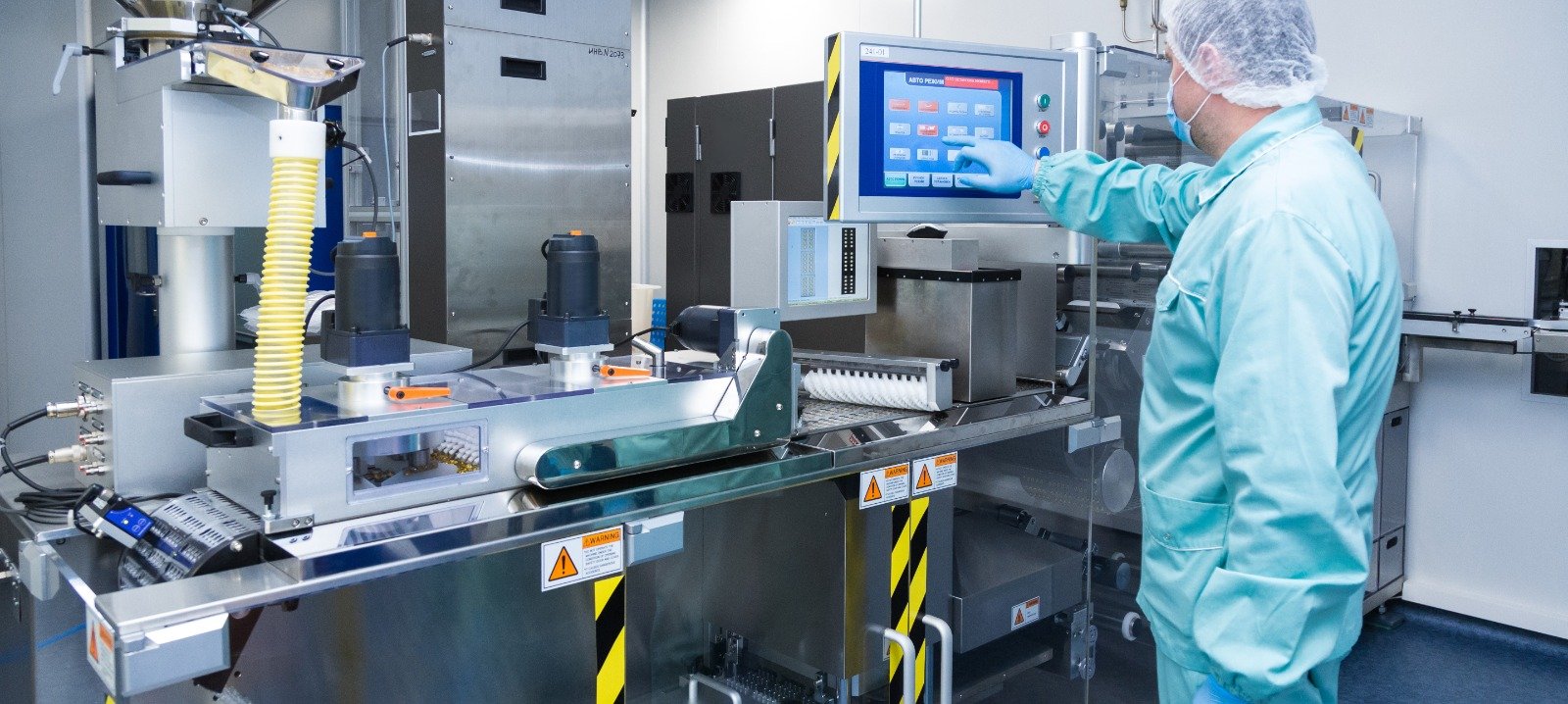
5 Ways to Automate CAPA Before It Becomes a Crisis
The regulated industries experience compliance risks which develop from delays in CAPA management. The implementation of Automated CAPA systems has become necessary. The U.S. growing requirements for businesses have begun to create pressure on organizations. Food and Drug Administration companies must shift toward smarter, faster, and more reliable processes using QMS workflow automation while still […]

How to Pass a 2026 FDA Inspection Without the Stress
How to Pass an FDA Inspection Under the 2026 QMSR Framework Surviving an FDA inspection without crushing operational stress requires a fundamental paradigm shift. As of February 2, 2026, the U.S. Food and Drug Administration officially enforces the Quality Management System Regulation (QMSR), replacing the decades-old Quality System Regulation (QSR). This modernization transition explicitly incorporates ISO 13485:2016 by […]

